ADVOCATING FOR MORE NATURE-BASED SOLUTIONS IN BROWARD COUNTY
BY DELANI WOOD
While concrete has been, and will likely remain prominent in our built environment, its widespread use, along with asphalt, has exacerbated some of the most challenging aspects of living in an urban, tropical climate.
Buildings, roads, and other "gray" infrastructure tend to absorb and emit heat, contributing significantly to the Urban Heat Island Effect. This phenomenon is when temperatures in urban and suburban areas can soar up to 15°F higher than in nearby undeveloped areas. The difference is palpable - a stroll down a sunbaked city street offers a stark contrast to sitting under the shade of a tree at the park.
In the absence of large open spaces that allow for rainfall infiltration, we use expansive stormwater systems with culverts, drains, and other features to quickly drain and discharge rainfall and runoff from this hardened landscape. However, changing conditions and rapid downpours can sometimes overwhelm these systems. When the water has nowhere to go, it will eventually back up onto the streets and, on occasion, flood our homes and buildings. These disruptions can have massive physical and economic impacts for years following a major storm.
Fortunately, there is increasing awareness within our planning agencies and communities of the need to actively address the challenges posed by flooding and extreme heat. While implementing effective solutions is a complex undertaking, a clear frontrunner has emerged: incorporating more green infrastructure into urban design.
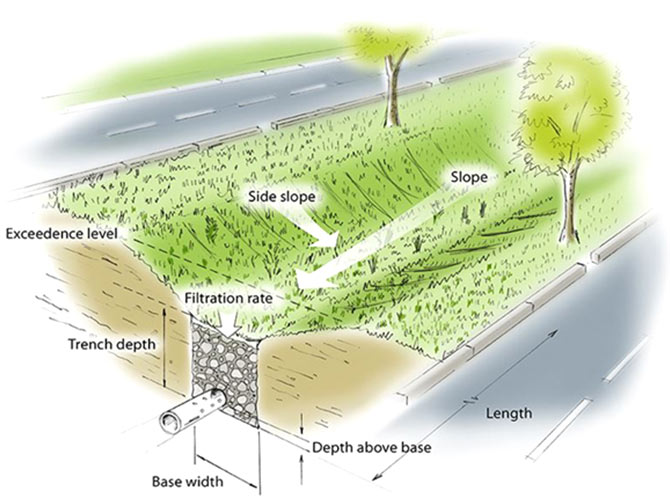
Green infrastructure, as opposed to concrete, "gray" infrastructure, is the approach of utilizing natural systems - such as plants, soil, and water bodies - within urban development for managing stormwater, reducing extreme heat, aiding coastal protection, and improving natural habitat. Examples are all around us, from tree-lined city streets and swales along roadways to coral reefs and mangrove forests protecting our shorelines. Green infrastructure allows storage, infiltration, and cleansing of stormwater, helps protect against storm surge and coastal erosion, and provides cooling benefits through tree canopy and shade.
Both public and private organizations around the world have been investing in green infrastructure projects for decades, with a growing recognition of significant cobenefits and high returns on investment. Many opportunities exist to integrate green infrastructure into redevelopment plans, capital improvement projects, and the revitalization of underutilized land in Broward County. These initiatives would create spaces for rainwater to soak into the ground, provide essential cooling through shade and evapotranspiration, and offer public spaces for people to enjoy.
The Broward County Resilience Plan was created using advanced hydrologic and economic models to inform decision makers on the best path forward for building a more resilient future. While there are a lot of other details to consider, one of the biggest recommendations to come from the plan is the expanded use of green infrastructure. Through this two-year long planning process, we learned that personal preference for more plants in the community is backed by engineering and economics.
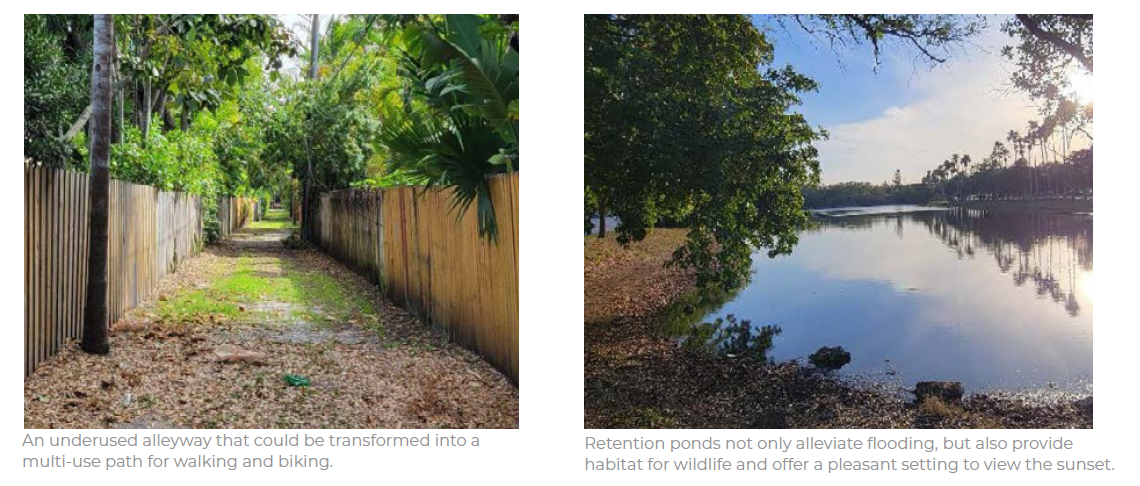
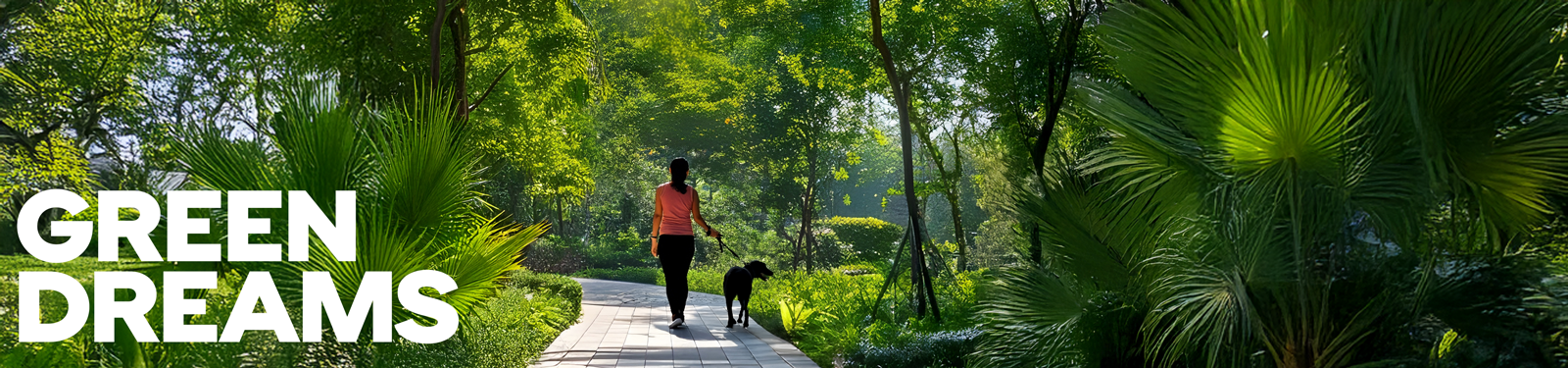
Now imagine being able to bike to work along safe and convenient multi-use paths lined with trees and plants, offering protection from both the intense Florida sun and the traffic driving past. Picture abandoned parking lots transformed into vibrant parks with native plants, benches, and open space designed to retain and absorb stormwater during heavy rains.
With alternative materials and design, alleyways could be improved to provide for the added purpose of enhanced stormwater management and infiltration. We need to believe that by working together and investing in green infrastructure systems, we can cultivate an environment that is not only more resilient to changing climate conditions but also provides a truly beautiful place to live.